CHED Central Office Director Dr. Lora Yusi Keynotes OPFBEX-ETCOR 2026 Research Conference, Commends the “Groundbreaking” Initiative, Challenges Organizers to Continue Advocacy and Embrace Bei
 Sep 19, 2026
𝐂𝐇𝐄𝐃 𝐂𝐞𝐧𝐭𝐫𝐚𝐥 𝐎𝐟𝐟𝐢𝐜𝐞 𝐃𝐢𝐫𝐞𝐜𝐭𝐨𝐫 𝐃𝐫. 𝐋𝐨𝐫𝐚 𝐘𝐮𝐬𝐢 𝐊𝐞𝐲𝐧𝐨𝐭𝐞𝐬 𝐎𝐏𝐅𝐁𝐄𝐗-𝐄𝐓𝐂𝐎𝐑 𝟐𝟎𝟐𝟔 𝐑𝐞𝐬𝐞𝐚𝐫𝐜𝐡 𝐂𝐨𝐧𝐟𝐞𝐫𝐞𝐧𝐜𝐞, 𝐂𝐨𝐦𝐦𝐞𝐧𝐝𝐬 𝐭𝐡𝐞 “𝐆𝐫𝐨𝐮𝐧𝐝𝐛𝐫𝐞𝐚𝐤𝐢𝐧𝐠” 𝐈𝐧𝐢𝐭𝐢𝐚𝐭𝐢𝐯𝐞, 𝐂𝐡𝐚𝐥𝐥𝐞𝐧𝐠𝐞𝐬 𝐎𝐫𝐠𝐚𝐧𝐢𝐳𝐞𝐫𝐬 𝐭𝐨 𝐂𝐨𝐧𝐭𝐢𝐧𝐮𝐞 𝐀𝐝𝐯𝐨𝐜𝐚𝐜𝐲 𝐚𝐧𝐝 𝐄𝐦𝐛𝐫𝐚𝐜𝐞𝐁𝐞𝐢𝐧𝐠 “𝐌𝐚𝐲𝐚𝐩”
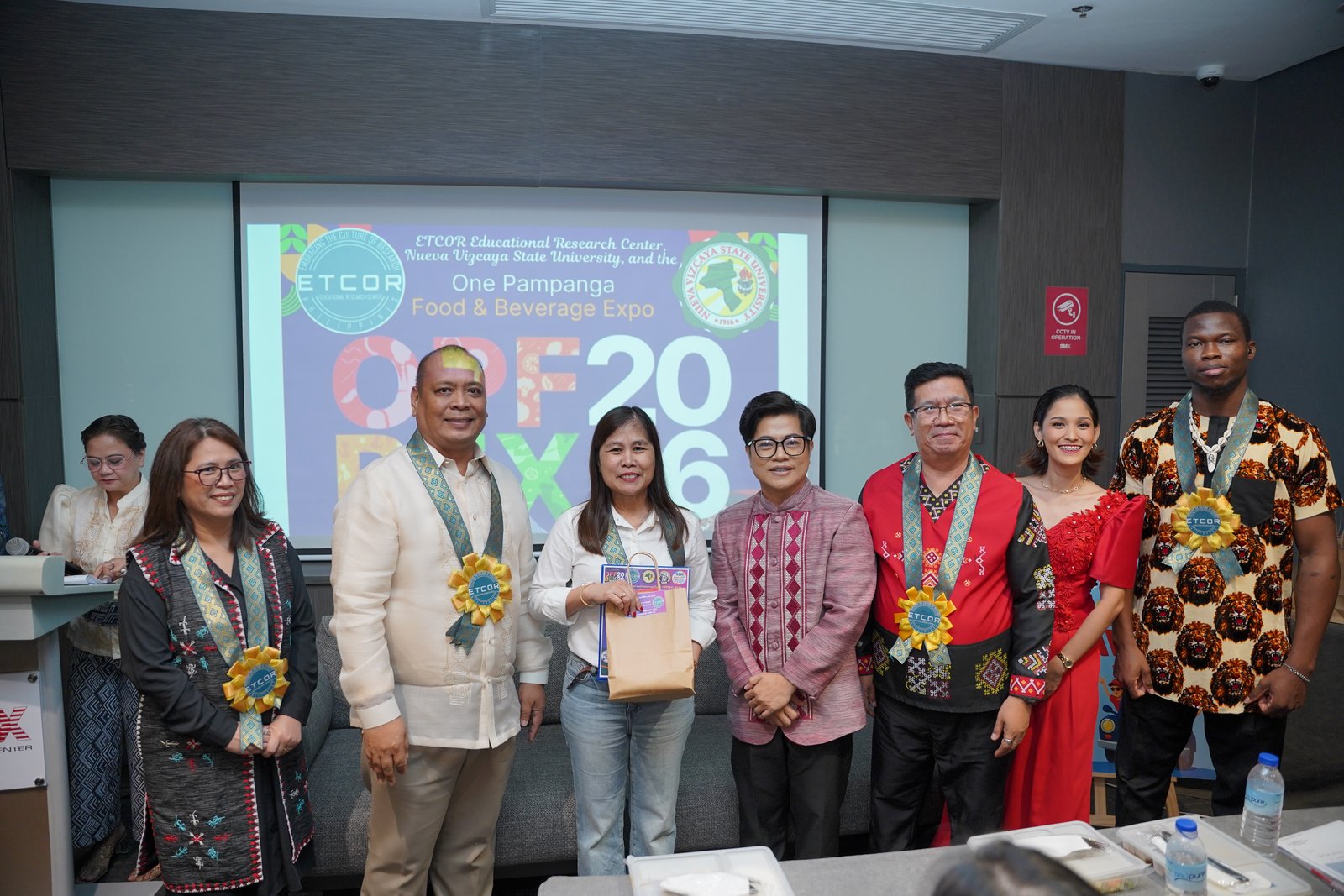
CLARK, PAMPANGA — Commission on Higher Education (CHED) Central Office Director Dr. Lora L. Yusi delivered the keynote address at the OPFBEX 2026 International Research, Innovation, and Education Conference on September 19, 2026, at the SMX Convention Center Clark, highlighting the vital role of higher education in connecting food, agriculture, tourism, hospitality, education, culture, and heritage. Speaking on the theme “Transforming OPFBEX 2026 into a Center for Research, Innovation, and Heritage,” Yusi described the gathering as a “groundbreaking conference” that brings together academe, industry, government, researchers, students, and cultural communities toward a shared vision of sustainable and meaningful development. Dr. Yusi serves as Director IV for Institutional Quality Assurance and Governance, Commission on Higher Education, Republic of the Philippines.
Drawing from the Kapampangan concept of “mayap,” which she explained carries meanings beyond simply “good” and conveys the ideas of being virtuous, wholesome, beneficial, and right, Yusi challenged participants to make research “mayap”—good for the mind, good for the community, and good for the nation. She emphasized that Pampanga’s heritage is not something confined to museums or historical displays but remains alive in its food, agriculture, communities, traditions, and everyday practices. Citing examples such as sisig, burong isda, bringhe, tamales, tibok-tibok, and other culinary traditions, she underscored how local knowledge, resourcefulness, and adaptation have contributed to the development of Pampanga’s distinctive cultural identity.
At the heart of her keynote was a challenge to higher education institutions to bridge the gap between academic research and grassroots realities. Yusi noted that research should not simply result in papers presented at conferences or stored in institutional repositories; rather, research should translate into technologies, innovations, policies, enterprises, curricula, and community solutions. She presented interconnected areas for action, including food science and innovation, sustainable agriculture and food security, indigenous knowledge systems, cultural heritage and language preservation, sustainable tourism and hospitality, educational leadership, and technology transfer. Through these areas, she emphasized that heritage can serve not only as a source of identity but also as a foundation for innovation, entrepreneurship, sustainable tourism, and community development.
Yusi further highlighted the importance of a Quadruple Helix collaboration involving academe, industry, government, and community. She called for stronger partnerships in which universities generate evidence-based research, industries provide pathways for application and commercialization, government institutions create supportive policies and programs, and communities become active co-researchers rather than merely subjects of academic studies. She also challenged universities to measure the value of higher education not only through publications and teaching outputs but through community extension impact, industry adoption, technology transfer, and sustainable innovations. In this framework, food becomes connected to agriculture, agriculture to science, science to education, education to tourism and entrepreneurship, and all of these to the preservation and advancement of cultural heritage.
Concluding her keynote, Dr. Yusi urged ETCOR Educational Research Center, OPFBEX, partner institutions, researchers, educators, industry practitioners, and young scholars to continue transforming the conference into a platform where research becomes action and heritage becomes a catalyst for innovation. She called on participants to ensure that research presented at OPFBEX does not end as bound volumes on a shelf but contributes to technologies that uplift farmers, innovations that strengthen small enterprises, policies that protect cultural heritage, and curricula that inspire future generations. “Heritage without innovation becomes a relic of the past. Innovation without heritage becomes soulless progress,” she emphasized, underscoring her central message that innovation grounded in heritage can become a powerful force for sustainable development and global recognition. Her call to embrace being “mayap” ultimately captured the spirit of OPFBEX 2026: bringing research, education, food, tourism, agriculture, culture, and heritage together for a future that is not only innovative, but genuinely good for communities and the nation.